Memodyne: Daily Wellness Support for Focus and Mental Clarity
Memodyne is a dietary supplement marketed to support focus and mental clarity as part of a healthy lifestyle. This independent guide explains what that means, what to check before you buy, and which everyday habits do the most for a clear, steady mind.
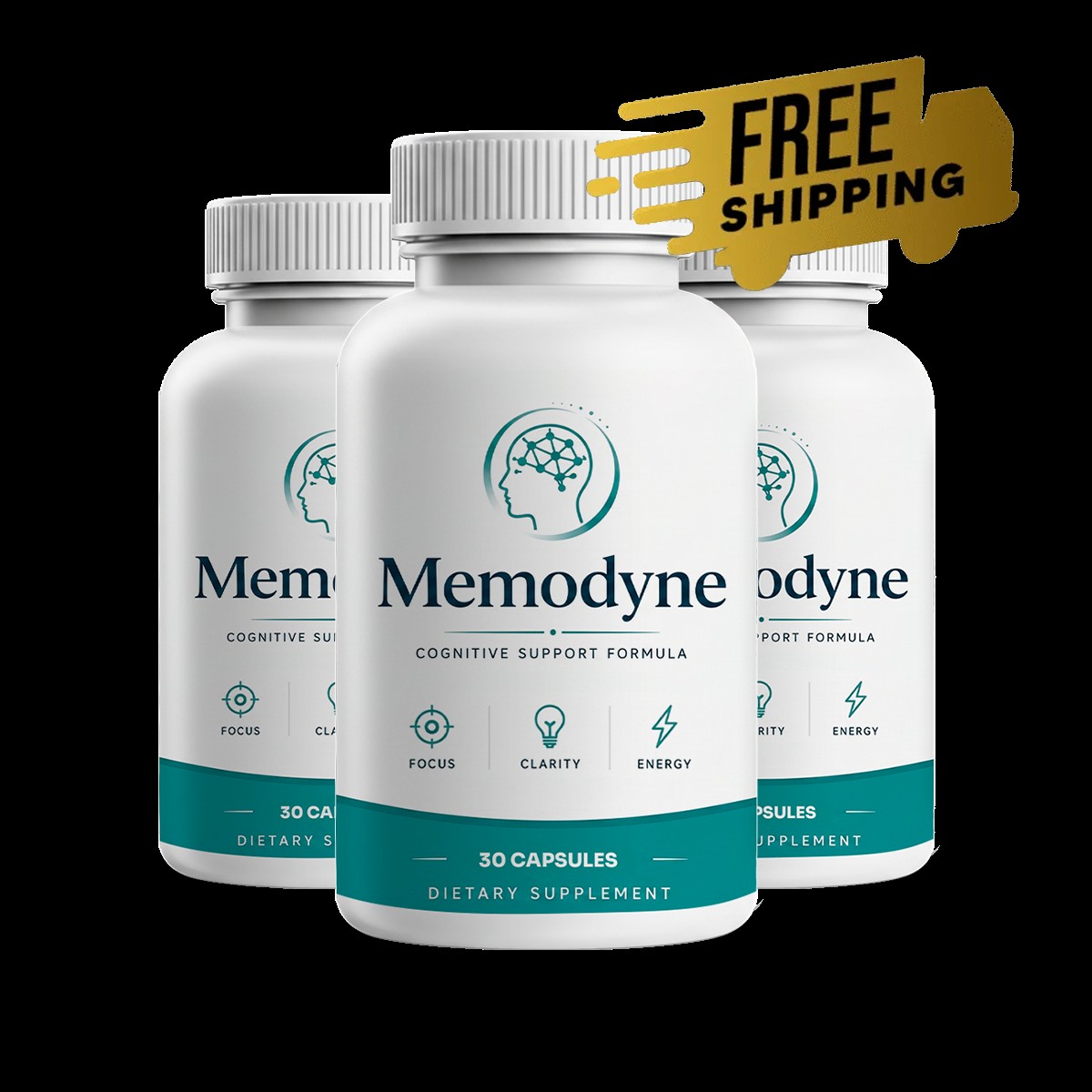
What Is Memodyne?
Memodyne is sold as a once-daily capsule intended for adults who want nutritional support for concentration, mental clarity, and everyday cognitive performance. Like other products in this category, it is a dietary supplement, which means it is regulated differently from medicines and is not approved by the FDA to treat or prevent any condition.
People look at products like this for ordinary reasons: long workdays, studying, caring for family, and the feeling that mental energy fades by mid-afternoon. The reasonable expectation for any supplement is modest support alongside good routines, not a dramatic transformation.
This guide takes an honest approach. We describe what the product is marketed to do, explain how to read a supplement label critically, and share habits that research consistently links with sharper, steadier thinking.
Why Focus and Mental Clarity Need Daily Support
A demanding environment
Notifications, meetings, multitasking, and constant information make sustained attention harder than it used to be. Each interruption pulls us away from the task at hand, and returning takes time and energy. By the afternoon, many people feel foggy even when nothing physical has tired them.
The brain is energy hungry
The brain is a small share of body weight but uses a large share of daily energy. It depends on steady fuel, hydration, oxygen, and quality sleep. When any of those slip, thinking can feel slower and memory less reliable.
Stress and attention
Ongoing stress competes for mental bandwidth. Worries and unfinished tasks run in the background, leaving less room for focus. Managing stress through movement, rest, boundaries, and connection is one of the most effective ways to protect clear thinking.
Changes across the years
Mild changes in processing speed and recall are a normal part of aging. Lifestyle choices made at every age, including exercise, learning, social activity, and nutrition, are widely encouraged by health professionals for long-term brain health.
How to Evaluate Any Focus Supplement Before You Buy
The supplement aisle, and especially the online one, is crowded with bold promises. A few careful checks protect your money and your health. Use them for Memodyne and for any similar product.
1. Read the full label
Look for a complete ingredient list with amounts for each ingredient, not just a “proprietary blend” total. Check serving size, directions, warnings, and allergen information.
2. Match claims to evidence
Be cautious about words like “cleanse,” “reverse,” “restore,” or promises of dramatic memory gains. Honest products say they “support” normal function.
3. Know the seller
Look for a company name, a physical address, a working support email or phone number, and clear terms. If you cannot tell who is selling the product, think twice.
4. Verify the website
Look-alike websites with similar spellings are common in this industry. Compare the domain carefully, and treat any page claiming to be “official” skeptically unless the manufacturer’s own materials link to it.
5. Understand pricing and refunds
Read the refund policy before paying, check whether checkout happens on a third-party processor, and screenshot the terms. Be wary of countdown timers and “last chance” pressure.
6. Ask your pharmacist
Herbal and nutrient ingredients can interact with prescription medicines. A pharmacist can check your list in minutes at no cost.
Ingredients that deserve extra care
Some compounds found in cognitive supplements act on the nervous system. For example, if a label lists huperzine A or similar compounds, ask a clinician first, because ingredients that influence acetylcholine can cause side effects or interact with certain medications. Stimulants such as caffeine can affect sleep, anxiety, and blood pressure. Iron, zinc, and high-dose vitamins can also cause trouble when taken in excess. We do not list Memodyne’s ingredients here. Always rely on the current label of the bottle you receive.
Check reviews critically
Independent review platforms often show mixed opinions on supplements, and many “review” blogs exist only to drive sales. Prefer neutral sources, look for specific details rather than glowing generalities, and remember that individual experiences vary widely.
Nutrients Commonly Discussed for Brain Wellness
These are general educational notes, not a description of the Memodyne formula.
B Vitamins
B6, B12, and folate support normal energy metabolism and nervous system function. Found in eggs, legumes, leafy greens, and whole grains.
Omega-3 fats
DHA is a structural fat in the brain. Oily fish, walnuts, flax, and chia are common sources.
Magnesium and zinc
Minerals involved in nerve signaling and normal cognitive function. Nuts, seeds, beans, and whole grains provide them.
Choline
Used by the body to make compounds important for memory pathways. Eggs and soy are well-known sources.
Antioxidant foods
Berries, citrus, tea, and colorful vegetables supply vitamins and polyphenols that help protect cells from oxidative stress.
Herbal traditions
Plants such as ginkgo, bacopa, and rosemary appear in traditional wellness and in ongoing research, with mixed results so far.
Food comes first. A Mediterranean-style pattern with vegetables, fruit, nuts, olive oil, fish, legumes, and whole grains is repeatedly associated with better long-term brain health. A supplement can fill gaps but cannot replace that foundation.
Using a Daily Supplement Sensibly
- Follow the label. Take the stated serving at the stated time and never exceed it.
- Introduce one change at a time. If you start a supplement alongside five new habits, you will not know what helped.
- Take it consistently. Nutritional support is not an instant switch. Judge it over weeks.
- Track what matters. Keep brief notes on sleep, stress, workload, and focus to see real patterns.
- Stop if something feels wrong. Discontinue use and talk to a healthcare professional if you have unwanted effects.
If you are pregnant, nursing, under 18, take prescription medication, or have a medical condition, consult your doctor before starting any supplement.
Ten Habits That Do the Heavy Lifting for Mental Clarity
1. Protect your sleep
Sleep consolidates memory and clears mental clutter. Aim for seven to nine hours, keep a regular schedule, and avoid late caffeine and bright screens before bed.
2. Move your body
Walking, cycling, swimming, and strength training are all linked with better mood and mental energy. A ten-minute walk can reset a foggy afternoon.
3. Work in focused blocks
Try 25 to 50 minutes on one task, then a short break. Silence notifications and write down your top priority before you start.
4. Eat steady meals
Combine protein, fiber, and healthy fats to avoid energy crashes. Keep fruit, nuts, or yogurt on hand for dips.
5. Hydrate
Even mild dehydration can make you feel tired and distractible. Sip water throughout the day.
6. Manage caffeine
Enjoy coffee or tea earlier in the day and avoid using it to cover for lost sleep.
7. Take real breaks
Stand, stretch, look out a window, or step outside. Scrolling is not rest for your attention.
8. Reduce stress
Breathing exercises, meditation, journaling, nature, and honest conversation all help.
9. Keep learning
New skills, languages, instruments, and puzzles challenge the brain in fresh ways.
10. Stay connected
Conversation and community support emotional health and keep the mind active.
Mental Clarity Myths and Facts
Myth: Any supplement can “cleanse” the brain
The brain has its own natural maintenance systems, and sleep plays a major role. Be skeptical of products that claim to detox or cleanse it.
Myth: We use only 10 percent of our brains
Imaging shows activity throughout the brain. Different regions work together depending on the task.
Myth: Multitasking boosts productivity
The brain mostly switches between tasks, and each switch costs time and accuracy.
Myth: More caffeine always means better focus
Moderate amounts help many people, but excess can cause jitters, anxiety, and poor sleep.
Fact: Small habits add up
Water, daylight, a protein-rich breakfast, and a distraction-free hour can noticeably change how your day feels.
A Brain-Friendly Week of Eating
- Monday: Oats with walnuts and berries, bean and vegetable lunch, grilled fish with greens.
- Tuesday: Eggs with spinach on whole-grain toast, yogurt with fruit, lentil soup.
- Wednesday: Chia pudding, quinoa and avocado bowl, almonds as a snack.
- Thursday: Green tea, hummus with vegetable sticks, stir-fry with tofu or chicken and broccoli.
- Friday: Smoothie with kale and banana, mixed seed salad, salmon or chickpea curry.
- Saturday: Relaxed brunch with eggs or paneer, fruit, and a long walk outside.
- Sunday: A colorful family meal with vegetables, whole grains, and a little dark chocolate.
When to See a Doctor About Memory or Focus
- Memory loss that disrupts daily life or keeps getting worse.
- Confusion, trouble finding words, or getting lost in familiar places.
- Ongoing low mood, anxiety, or loss of interest in usual activities.
- Persistent exhaustion or long-term sleep problems.
- Severe or unusual headaches, dizziness, or vision changes.
- Any sudden change in speech, balance, or thinking.
Seek emergency help immediately for sudden confusion, weakness, speech difficulty, or severe headache. Supplements are never a substitute for medical evaluation.
Understanding Attention and Memory in Plain English
Focus and memory are related, but they are not the same thing. Understanding the difference helps you choose habits that actually address what you are experiencing.
Attention: what you let in
Attention is the brain’s filter. At any moment, your senses take in far more information than you can use, and attention decides what gets processed. When attention is scattered, even simple tasks feel hard, and information may never be stored in the first place. Many “memory problems” are really attention problems: we forget where we put our keys because we were not fully noticing when we set them down.
Working memory: the mental notepad
Working memory holds a small amount of information for a short time, such as a phone number you are about to dial or the steps of a task. It is easily overloaded by stress, fatigue, and multitasking. Writing things down and keeping to-do lists outside your head frees this notepad for thinking.
Long-term memory: what you keep
Long-term memory is strengthened by repetition, meaning, emotion, and sleep. Reviewing material at spaced intervals, explaining it to someone else, and connecting it to what you already know are among the most reliable methods for remembering. Sleep is when many of those connections are consolidated.
Mental clarity: how it feels
“Clarity” is the everyday experience of thinking without fog: ideas arrive in order, decisions feel manageable, and words come easily. It is influenced by sleep, hydration, blood sugar, stress, mood, and even the room you are working in. That is why a combination of small, practical changes usually helps more than any single fix.
What to expect from nutrition
Good nutrition keeps the brain’s basic machinery running. Deficiencies in nutrients such as B12, iron, or vitamin D can contribute to tiredness and poor concentration, so if you suspect a deficiency, a simple blood test from your doctor can give you a real answer rather than a guess.
Designing a Focus-Friendly Workday
Plan the night before
Write down the three most important tasks for tomorrow before you finish today. Starting with a plan saves the mental energy that disorganized mornings waste.
Protect your first hours
Most people have a peak window, often mid-morning. Use it for demanding thinking, writing, or problem-solving, and push email and administrative tasks to lower-energy times.
Reduce friction
Keep your phone out of reach, close unnecessary tabs, and use a clean workspace. A single obvious next action is easier to start than a vague project.
Use timers and rituals
A simple ritual, such as making tea, opening a notes page, and starting a 25-minute timer, signals the brain that focus time has begun. Over time, the ritual makes starting easier.
Batch the small stuff
Check messages at set times instead of constantly. Group errands and short tasks together so that each does not interrupt a deeper block of work.
Rest on purpose
Schedule real breaks, including a proper lunch away from your desk. Stepping outside for even ten minutes can lift mood and refresh attention.
End the day cleanly
Spend five minutes noting what you finished and what comes next. This closes mental loops, helps you switch off in the evening, and makes tomorrow’s start easier.
Brain-Friendly Tips for Different Lifestyles
Students
Study in focused blocks, review material at spaced intervals, and protect sleep before exams. All-night cramming usually backfires on memory.
Remote and office workers
Set clear start and stop times, move every hour, and separate work space from relaxation space where possible.
Parents and caregivers
Share the mental load by writing lists, using shared calendars, and accepting help. Short rest periods matter even when days are busy.
Shift workers
Keep a consistent sleep routine as far as possible, use bright light during work, dim light before sleep, and time caffeine early in the shift.
Adults over 50
Stay physically active, keep learning, maintain social ties, and keep up with routine health checks including hearing, vision, blood pressure, and blood sugar.
Creators and entrepreneurs
Alternate deep work with idle time, such as walks, which often produce the best ideas. Keep a notebook for thoughts that arrive at odd moments.
Build Your Own Two-Week Clarity Plan
Instead of changing everything at once, run a simple two-week experiment. In week one, focus on foundations: a consistent bedtime and wake time, a glass of water with breakfast, a ten-minute daily walk, and one distraction-free work block each day. Write a quick note each evening rating your focus, energy, and mood from one to five. In week two, keep those habits and add one more change, such as a protein-rich breakfast, a scheduled afternoon break, or a screen curfew an hour before bed. At the end of the two weeks, review your notes. Most people discover that two or three habits make a clear difference, and those are the ones worth keeping. If you decide to add a supplement, introduce it after your baseline is established so you can fairly judge what is helping, and share your plan with your healthcare provider if you take medication or have health concerns.
Memodyne Order Information

Package options, current pricing, shipping details, and refund terms are shown by the seller at checkout. Review them carefully, confirm who the seller is, and keep your order confirmation.
View Current OfferSome links on this page may be affiliate links. Prices, packages, and guarantees are set by the seller and can change, so verify them before you buy.
Memodyne Frequently Asked Questions
1. What is Memodyne?
Memodyne is a dietary supplement marketed to support focus and mental clarity as part of a healthy lifestyle. It is not a drug and is not intended to diagnose, treat, cure, or prevent any disease.
2. Is this the official Memodyne website?
No. This is an independent informational guide. Confirm all product details with the label and the seller.
3. How is Memodyne taken?
Follow the directions on the product label. Do not exceed the recommended serving.
4. Does a focus supplement replace sleep or exercise?
No. Sleep, movement, nutrition, and stress management are the foundations of mental clarity.
5. What should I check before buying?
The full ingredient list with amounts, directions and warnings, the seller’s identity and contact details, refund terms, and possible interactions with your medications.
6. How long until I notice a difference?
Experiences vary and results are not guaranteed. Supplements are best judged over several weeks alongside healthy habits.
7. Can I take it with coffee or tea?
That depends on the ingredients. If the label includes stimulants, consider your total daily caffeine.
8. Are there side effects?
People respond differently. Stop use and consult a healthcare professional if you have unwanted effects, and check the label for allergens.
9. Can I use it with prescription medication?
Ask your doctor or pharmacist first, because some ingredients can interact with medicines.
10. Where can I find refund details?
On the seller’s checkout page and order confirmation. Read them before paying and contact customer support with questions.
Build Clarity From the Ground Up
Whatever you decide about supplements, the biggest gains for focus come from sleep, movement, food, and fewer distractions. Start with those, check any product carefully, and talk with a healthcare professional when in doubt. Keep expectations realistic, give any change a fair trial of several weeks, and remember that the people who feel sharpest over the long run are usually the ones who protect their sleep, keep moving, eat well, manage stress, and stay curious. Small, steady choices repeated daily are what build lasting clarity.
Conclusion
The information on this website is for educational and informational purposes only and is not medical advice. Memodyne is a dietary supplement marketed to support focus and mental clarity. Individual results may vary. Statements about it have not been evaluated by the U.S. Food and Drug Administration, and the product is not intended to diagnose, treat, cure, or prevent any disease. This site is an independent guide and is not operated by the product’s manufacturer. Product names are trademarks of their owners. If you are pregnant, nursing, taking medication, have a medical condition, or are planning a medical procedure, consult your healthcare provider before using any dietary supplement.